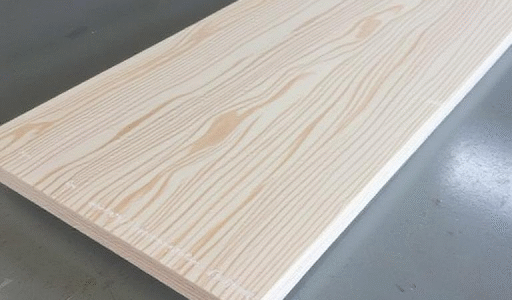
Marine plywood: it’s the unsung hero of watery worlds and weather-worn projects. Whether you’re building the next great houseboat, a backyard deck, or just a structure the rain can’t resist, knowing your marine plywood can spare you time, cash, and a fair bit of grey hair later on.
This guide is here to help you navigate the grades and pinpoint which sheet of marine marvel is the star player for your project.
What Makes Marine Plywood the Big Cheese?
Unlike the splintery bargain sheets at your local hardware store, marine plywood is engineered with a can-do attitude. It’s crafted by stacking layers of timber veneers and bonding them with waterproof phenolic resin glue. The result? Plywood that scoffs at delamination, even when soaking for days on end.
Manufacturers handpick these veneers, ruthlessly rejecting knots, gaps, or any flaw threatening its fortitude. The payoff is a smooth, sturdy surface that’s ready to show off, or just stand up to nature’s worst.
Getting Graded: Marine Plywood 101
Marine plywood doesn’t come in one-size-fits-all. It’s a bit like coffee – there are grades for every taste (and wallet).
A-Grade Marine Plywood
This is the caviar of marine plywood: flawless face veneers with not a patch, scratch, or botched fix in sight. If you want your project to shine and take every knock on the chin, A-grade is your go-to, especially for visible spots and important structures.
B-Grade Marine Plywood
B-grade lets a few imperfections through – call them character marks. You might spot a patch or two, but structurally, it’s stubbornly solid and easier on the budget than its high-gloss cousin.
Structural Marine Plywood
Some suppliers offer this ‘strong and silent type’ made for heavy lifting. Looks aren’t a priority here; it’s about extra muscle: thicker cores, tougher bonds, and no one minds if it isn’t photogenic.
Marine Plywood: The Sailor’s Secret Weapon
Boat building is no job for weak-willed materials. Marine plywood slides into this tough crowd brilliantly.
When it comes to hulls, its steadfast strength and moisture-defying powers make it a boatbuilder’s best mate. It flexes nicely over frames, keeping your vessel both curvy and unsinkable.
Decking needs muscle and grip, and marine plywood rises to the challenge, giving you a solid base for anti-slip finishes – while laughing off water from above and below.
Even inside the cabin, marine plywood remains unflappable. Cabinets and trim stay snug and square, no matter how much the humidity tries to crash the party.
Outdoor Projects: Beyond Boats
But let’s not pigeonhole marine plywood – it’s just as happy in the backyard as it is at sea.
Building outdoor furniture? Marine plywood’s staying power saves your chairs and tables from turning to mush when winter rolls in.
Pergolas and gazebos looking for a sturdy backbone? This stuff has your back (and your beams), handling load-bearing with style – UV rays and rain don’t scare it if you give it a decent finish.
For those garden beds you want straight and sharp through every season, marine plywood delivers clean edges and shrugs off the damp – landscapers, take note.
Choosing Wisely: The Plywood Personality Test
Picking the right marine plywood is all about balancing looks, strength, and the wallet. Think about whether the wood will show, how much weight it will carry, and just how soggy the environment will get.
If faces will be on show, splash out for A-grade; if it’s going behind the scenes, B-grade will serve you admirably.
Whatever you pick, buy from a reputable Australian supplier who actually knows their stuff and can prove it. There’s a jungle of dodgy plywood out there, don’t get stuck with a lemon.
In short, marine plywood is the smart choice for any moisture-prone mission. Choose your grade with care, and your project will weather the storm – literally and figuratively.